
Gastric sleeve surgery in Miami, also known as VSG surgery or vertical sleeve gastrectomy, is a minimally invasive weight loss surgery designed to help patients achieve significant, long-term weight loss. At Miami VIP Surgery, board-certified bariatric surgeon Dr. Reza Keshavarzi specializes in gastric sleeve surgery and provides personalized care before, during, and after surgery. Our comprehensive approach combines advanced bariatric surgery with nutrition, lifestyle guidance, and ongoing support to help patients achieve lasting results and improved health.
Get expert care on your timeline with our signature Easy-Step Sleeve Program™.
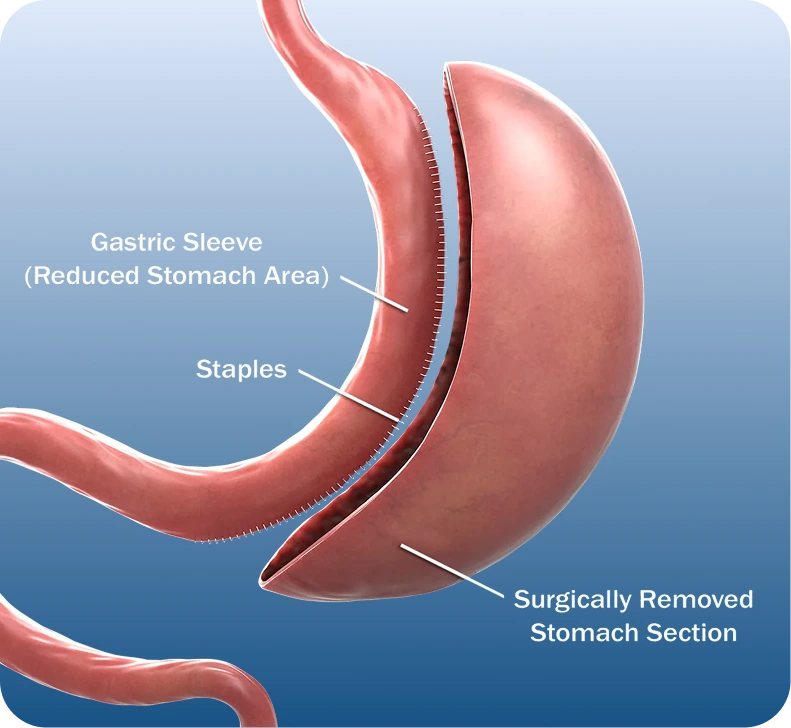
Gastric sleeve surgery, also known as VSG surgery or vertical sleeve gastrectomy, is a minimally invasive weight loss surgery that reduces the size of the stomach by removing approximately 75 to 80% of it. The remaining stomach forms a smaller, sleeve-shaped pouch that limits food intake and can help reduce hunger. Gastric sleeve surgery can help patients achieve significant, long-term weight loss and improve many obesity-related health conditions.
The Easy-Step Sleeve Program™ (ESSP)
Who wants to spend 6–12 months jumping through hoops, only to be told they don’t qualify?
Designed by board-certified bariatric surgeon Dr. Reza Keshavarzi, MD, FACS, FASMBS, our Easy-Step Sleeve Program™ provides a streamlined path to gastric sleeve surgery in Miami. For qualified patients, our self-pay program eliminates many of the delays associated with insurance approval, referral requirements, and lengthy waiting periods. With personalized medical care, psychological support, nutrition and lifestyle guidance, and concierge-level support, patients may be able to move from consultation to gastric sleeve surgery in as little as 3 weeks.
How It Works
Meet personally with board-certified bariatric surgeon Dr. Reza Keshavarzi, virtually or in person, to discuss your weight loss goals, medical history, and whether gastric sleeve surgery or another weight loss option is right for you.
Gastric sleeve surgery is performed under general anesthesia, so you are fully asleep and comfortable throughout the procedure. Your anesthesia team continuously monitors your vital signs and carefully manages your care from the beginning of surgery through recovery.
Dr. Keshavarzi performs gastric sleeve surgery using a minimally invasive laparoscopic approach through several small incisions in the abdomen. This technique is designed to minimize tissue trauma and support a faster, more comfortable recovery compared with traditional open surgery.
During gastric sleeve surgery, approximately 75–80% of the stomach is removed, creating a smaller, sleeve-shaped stomach. This limits the amount of food the stomach can hold and also affects hunger-related hormones, helping patients feel satisfied with smaller portions and supporting long-term weight loss.
Dr. Keshavarzi carefully creates and secures the new gastric sleeve using a surgical stapling technique. The sleeve is inspected before the procedure is completed, and the small laparoscopic incisions are then closed. Patients are transferred to recovery and remain in the hospital overnight for monitoring.
During the first 24 hours after gastric sleeve surgery, patients are closely monitored in a hospital setting. Medical staff observe vital signs and manage pain to ensure stability. Fluids are typically given intravenously, and patients are encouraged to move gently to prevent complications. Early attention to hydration and comfort sets the foundation for a smoother recovery.
In the first week, patients begin transitioning to a liquid diet under careful guidance. Pain is managed with prescribed medications, and activity is gradually increased with short walks to support circulation. Follow-up appointments help monitor healing and ensure that all instructions are being followed correctly.
During weeks two to four, patients start incorporating soft foods while continuing medically supervised dieting. Energy levels may fluctuate, and patients are encouraged to listen to their bodies as they slowly resume light daily activities. Monitoring for any signs of complications remains essential during this period.
By weeks five to eight, most patients can gradually introduce solid foods as recommended by our healthcare team. We can help with portion sizes and food choices. Activity levels can increase, and many patients notice improved stamina as the body adjusts to the smaller stomach.
After two months, the focus of recovery shifts to maintaining long-term dietary habits and engaging in regular physical activity. Patients are encouraged to continue following their diet to support ongoing weight management. Regular follow-ups help track progress, address concerns, and reinforce lifestyle changes that promote lasting results.
Take our quick BMI quiz to discover if gastric sleeve surgery is right for you.
Your Weight Loss
Journey Starts Here
Yes, Dr. Keshavarzi uses minimally invasive techniques for gastric sleeve and other bariatric procedures. These methods involve smaller incisions, which can reduce pain, speed up recovery, and minimize scarring while maintaining the highest standards of surgical precision.
Gastric sleeve surgery involves removing a portion of the stomach to create a sleeve-shaped organ. In contrast, gastric bypass surgery reroutes the digestive system by creating a small pouch from the stomach and connecting it directly to the small intestine. Both procedures are designed for obese patients who are unable to lose weight through diet and exercise alone. They support a healthier life by helping patients reduce excess weight and achieve a positive metabolic effect by altering nutrient absorption.
Many patients with high blood pressure can safely undergo gastric sleeve surgery. Our experienced doctor will create a treatment plan tailored to your personal needs, taking into account your body mass index and any other health conditions. Careful monitoring before, during, and after surgery ensures safety and effectiveness for patients with elevated blood pressure.
Gastric sleeve surgery can significantly improve metabolic conditions, such as sleep apnea and high cholesterol levels. Our medical staff works closely with patients to set realistic expectations and emphasize that lifestyle changes are essential to long-term success. Many patients can expect improvements in these conditions as they lose weight and adopt healthier habits.
Yes, they are generally considered safe. Our weight loss surgery center follows strict safety protocols to minimize complications. Dr. Keshavarzi and our team carefully evaluate patients for medical problems, such as gastroesophageal reflux disease, before surgery and provide continuous monitoring afterward. Patients are encouraged to contact Dr. Keshavarzi with any questions or concerns to ensure a safe surgical experience.
Dr. Keshavarzi is a board-certified bariatric surgeon with a focus on achieving exceptional outcomes and long-term success. When selecting a surgeon, it is crucial to consider their experience, patient outcomes, and approach to care. A consultation with Dr. Keshavarzi will allow him to answer your questions and help you decide on the best treatment plan for your weight loss goals. We can offer gold-standard procedures that provide impressive results with maximum comfort.